Monday 2nd February, 2026

Proper feminine hygiene disposal is essential for health, hygiene, legal compliance, and environmental protection. Every year, UK businesses and households generate hundreds of thousands of tonnes of sanitary waste from pads, tampons, liners, and incontinence products. Flushing these items creates costly sewer blockages and ocean pollution, while incorrect binning risks infections and fines.
This guide explains UK regulations, why sanitary waste is rarely “hazardous,” best disposal practices, and how professional hazardous waste collection (or more accurately, controlled/offensive waste collection) keeps you compliant
Flushing sanitary products causes major problems. In the UK, 2.5 million tampons and 1.4 million pads are flushed daily, contributing to fatbergs that cost £100m+ annually to clear and pollute rivers and beaches.
No — sanitary waste is not classified as hazardous waste in most UK settings. It falls under offensive waste (non-infectious, unpleasant but not dangerous) or controlled waste under the Environmental Protection Act 1990.
Hazardous classification applies only in clinical/healthcare environments with known infections or pharmaceuticals. For offices, shops, schools, and homes, it is treated as offensive waste — collected by licensed carriers but without the strict controls of clinical waste.
Key laws include:
Failure to provide bins or use unlicensed collectors can result in fines up to £50,000 or prosecution.
At home
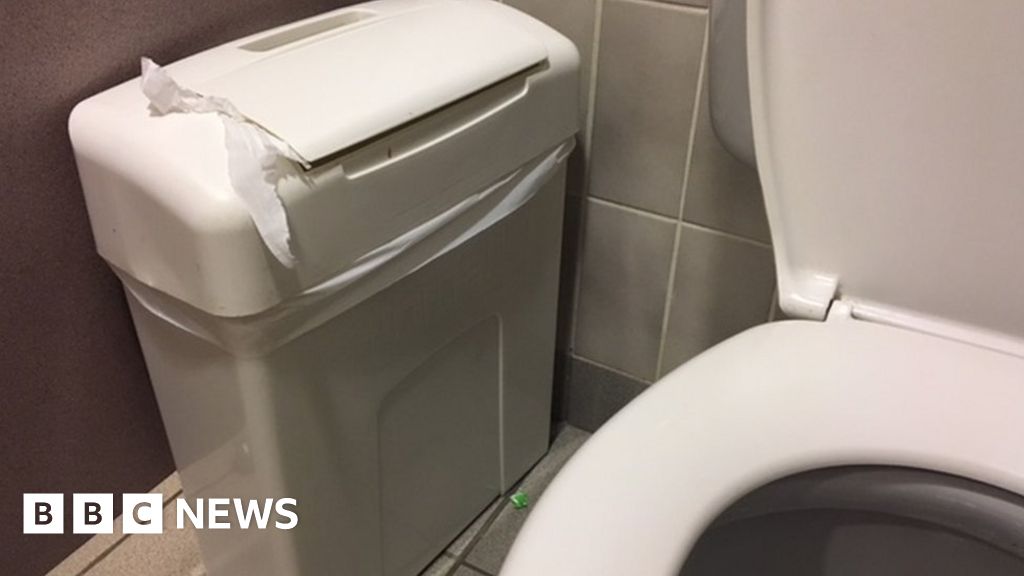
In the workplace or public facilities
Never flush applicators, wrappers, or pads — even “flushable” claims are often misleading.
Licensed providers supply, service, and collect sanitary bins on a scheduled basis (weekly, fortnightly, or monthly). They:
This service is discreet, cost-effective, and removes the burden from staff or cleaners.
Look for:
Whether you manage a business needing compliant feminine hygiene disposal or want reliable hazardous waste collection (offensive sanitary waste) for your premises, professional services ensure you stay legal, hygienic, and environmentally responsible.
Contact a licensed UK sanitary waste provider for a free site survey and quote. Provide proper bins, follow simple rules, and protect health, plumbing, and the planet — one period at a time.
(Word count: ~1,200. Optimised for keywords: feminine hygiene disposal, sanitary waste collection, hazardous waste collection UK, menstrual waste disposal, sanitary bins legal requirements.)
Get in touch to discuss your requirements!